
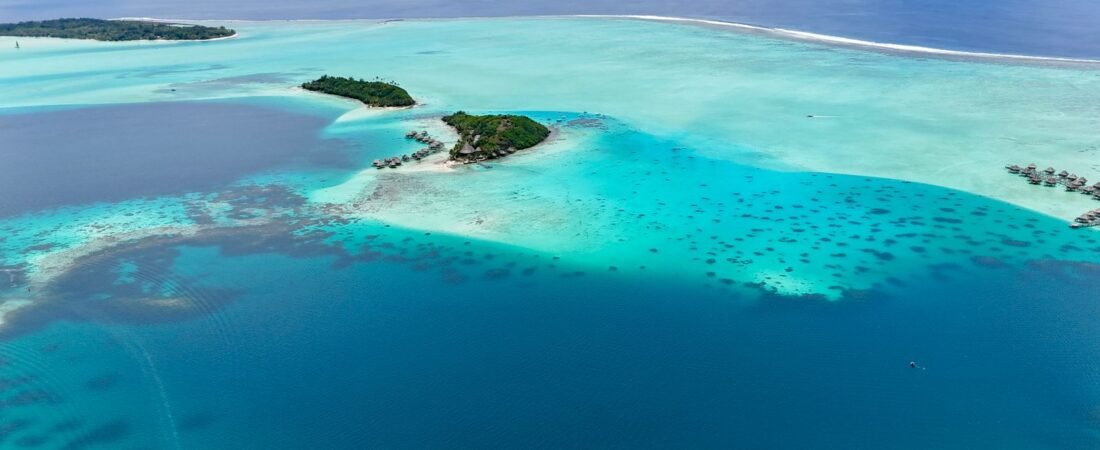
There is a kind of luxury that has nothing to do with thread count. It is the luxury of distance: a journey with just enough steps in it that, by the time you arrive, the rest of your life has quietly stopped following you.
The short answer
If you only want the shortlist, here are five genuinely secluded places that are worth the effort, with the one-line route to each:
- The Brando, Tetiaroa (French Polynesia): a private atoll about 30 miles from Tahiti, reached by private plane.
- Fogo Island Inn (Newfoundland, Canada): fly to Gander, drive to Farewell, take the ferry.
- Mnemba Island (Zanzibar, Tanzania): fly to Zanzibar, drive to the northeast coast, cross by boat.
- Torres del Paine (Chilean Patagonia): fly to Punta Arenas or Puerto Natales, then continue by road.
- Hoanib Skeleton Coast Camp (Namibia): reachable only by light aircraft.
Each one asks for a few connections along the way: a flight, a ferry, a boat, a small plane. That is, more or less, the point.
What “secluded” really means
Distance on a map is a poor measure of remoteness. A place can be close to a city and still feel far away, and another can be hundreds of miles from anywhere yet take only a morning to reach. The more honest measure is the number of handoffs between your front door and the final arrival.
That is why these trips reward a little slack. Build in a night on either side of the final leg, so a delayed flight or a rough sea doesn’t cost you the first day. The places below are the ones where the journey is a real part of the experience, and where it pays to plan it with care.
The last hour of the journey is the part you remember: the engine falls quiet, the water goes still, and there is nothing left to arrive at except the stillness itself.
A minute of quiet, to set the tone:
The Brando, Tetiaroa, French Polynesia
Tetiaroa is a private atoll, a ring of a dozen small islands around a pale lagoon, roughly 30 miles northeast of Tahiti. It was once Marlon Brando’s retreat, and today a single resort shares it with sea turtles, manta rays and seabirds. The villas sit directly on the sand, and the place is run with a conservation mindset that you can feel in small ways, from the way the atoll is managed to how guests are asked to move through it.
When to go: French Polynesia’s drier season, generally May to October, brings the most settled weather and the calmest lagoon.
How you get there: Fly to Tahiti, then take a short private flight to the atoll, which the resort arranges. There is no ferry and no passing traffic, so the flight is the only way in.
If you’d like to see the atoll before you decide, The Brando’s own 16-minute film was shot in 180°, so you can look around inside the frame:
Fogo Island Inn, Newfoundland, Canada
Fogo Island sits off Newfoundland’s northeast coast, a rocky, fog-brushed place of fishing stages and open horizons. The inn is a modern building on stilts at the edge of the sea, and the island around it has its own seasons: pack ice, iceberg season, berry season, and a short, bright summer.
When to go: The inn typically operates from about April 1 to November 1. For the best weather, aim for mid-June to mid-September. If icebergs are what you’re after, mid-May to early June is the window.
How you get there: Fly into Gander (or St. John’s), then drive about an hour and a half to the ferry terminal at Farewell. The ferry crossing takes roughly 45 minutes, and the schedule depends on the weather, so check it before you set out. The inn’s travel advisors can also help with ground transfers, and with a private charter plane or helicopter if you’d rather skip the road.
Mnemba Island, Zanzibar, Tanzania
Mnemba is a tiny private island, about three kilometres off the northeast coast of Zanzibar and ringed by a protected reef. It is the kind of place where the day is organised around tides and light: snorkelling over coral in the morning, a long quiet afternoon on your own stretch of sand.
When to go: The dry seasons are the safest bet, June to October and again from December to February, when skies are clear and the sea is calm for the crossing and the reef.
How you get there: Fly into Zanzibar’s airport, then drive roughly an hour and a half to the northeast coast. From there it is a short boat ride, around 10 to 20 minutes, to the island. There are no jetties, so you step off the boat and wade ashore. Crossings are made in daylight only and depend on the weather, which means a tight flight connection is a poor idea.
Torres del Paine, Chilean Patagonia
Patagonia’s southern edge is wilder than almost anywhere else you can reach by scheduled flight. Granite towers rise above turquoise lakes, the wind does what it likes, and the lodges in and around the park are designed to give you a warm, quiet room at the end of a long day outdoors.
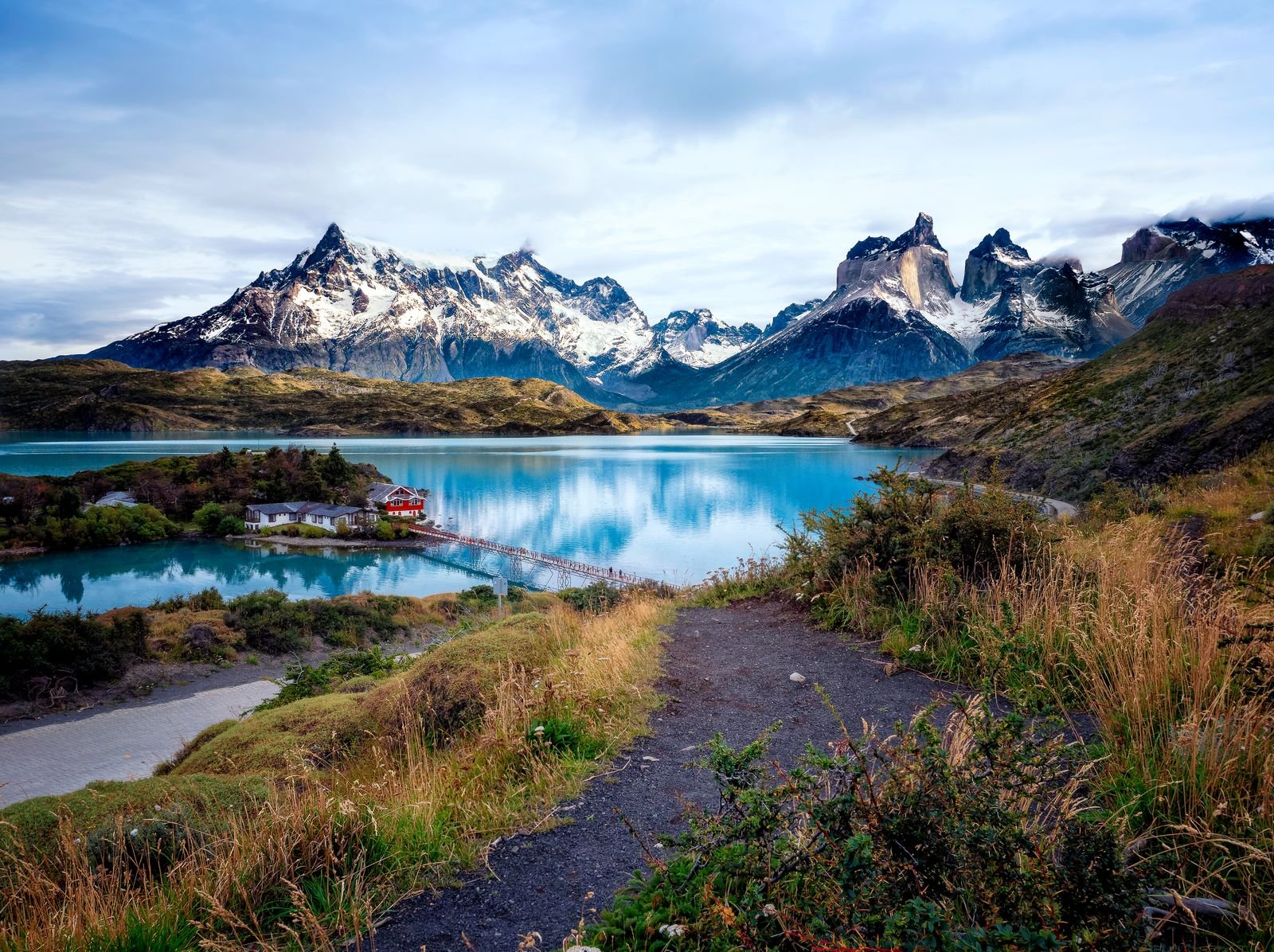
When to go: The warmest, most accessible stretch runs from about November to early March. The shoulder months of March and April bring thinner crowds and softer light, though the weather is always changeable, whatever the month.
How you get there: Fly from Santiago to Punta Arenas or Puerto Natales, a flight of around three and a half hours. From Punta Arenas it is about three hours by road to Puerto Natales, and the park is roughly another one and a half to two hours beyond that. Most travellers overnight in Puerto Natales to catch a morning transfer into the park rather than arriving late.
Hoanib Skeleton Coast Camp, Namibia
In Namibia’s far northwest, a dry riverbed runs from the Kaokoveld toward the Atlantic, and desert-adapted elephants and lions follow it. The camp here is small, set where the river meets the edge of the Skeleton Coast National Park, and it is one of the more remote lodges in southern Africa.
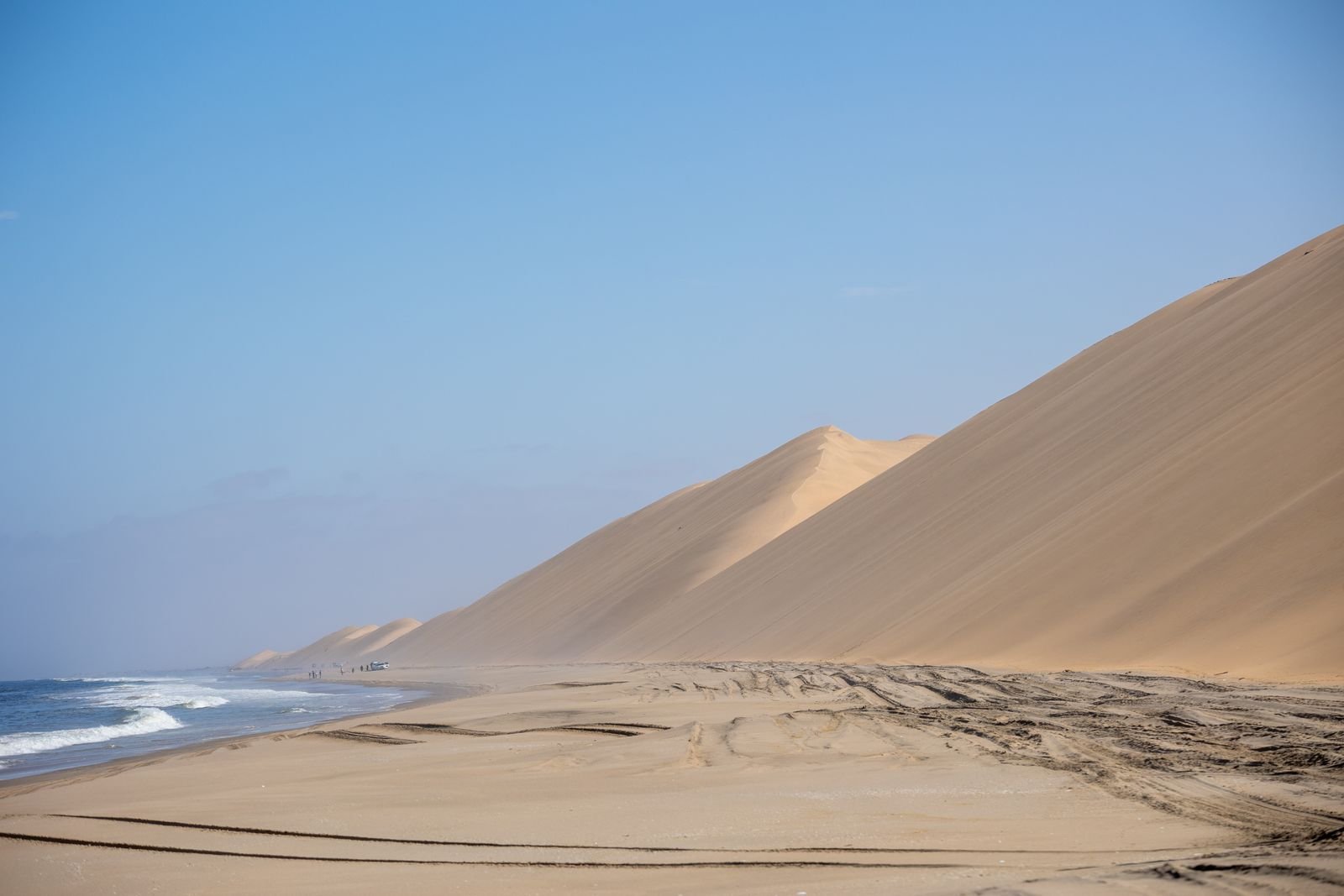
When to go: The cooler months, roughly May to September, are the most comfortable and the best for wildlife, which gathers along the river as the land dries out.
How you get there: Fly into Windhoek, then continue by light aircraft to the camp’s own airstrip. The nearest town is hours away over rough terrain, so the aircraft is the only practical way in, and the flight itself, over dune fields and dry riverbeds, is part of the trip.
At a glance
| Destination | Best months | How remote | Getting there |
|---|---|---|---|
| The Brando, Tetiaroa | May to October (drier season) | Private atoll, about 30 miles from Tahiti | Fly to Tahiti, then a private flight |
| Fogo Island Inn | Mid-June to mid-September (icebergs mid-May to early June); open about April to November | Island off Newfoundland’s coast | Fly to Gander, drive about 1.5 hours, take a 45-minute ferry |
| Mnemba Island | June to October; December to February | Private island about 3 km offshore | Fly to Zanzibar, drive about 1.5 hours, then a short boat ride and wade ashore |
| Torres del Paine | November to early March | Far southern Chile | Fly to Punta Arenas or Puerto Natales, then road transfers |
| Hoanib Skeleton Coast Camp | May to September | Remote desert, hours from the nearest town | Fly to Windhoek, then a light aircraft to the camp |
Flight schedules, ferry timetables and seasonal opening dates change, so confirm the details directly with each property before you book.
Frequently asked questions
What is the most secluded luxury resort in the world?
There is no official ranking, and “most secluded” depends on how you measure it. Places that can only be reached by private aircraft or small boat, such as Tetiaroa or Hoanib, sit at the far end of the scale because the final leg is not available to the public.
How do you get to a private island resort?
Typically you fly commercially to the nearest hub, then take a private charter flight, seaplane or boat arranged by the resort. The key is to ask early what the final transfer involves, because some are limited to daylight and good weather.
When is the best time to visit a remote luxury destination?
It depends on the place. Most of these destinations have a clear dry or summer season with the calmest weather, and a shoulder season with fewer visitors. Check the opening dates too, as some properties are seasonal.
Do I need travel insurance for a remote trip?
It is worth considering. Remote destinations can be a long way from hospitals, so many travellers look for a policy that includes medical evacuation, and check what it covers before booking.
How far in advance should I book?
Remote lodges are small, so the best dates fill early. For peak months, many travellers book a year or more ahead. Flexible dates can open up options closer in.
If you’d like a hand with the connections, which is where these trips are won or lost, Promises is glad to help.
Photo and video credits: featured image of a lagoon in French Polynesia by François Balédent, Torres del Paine by William Warby, Namibian coast by Jorg Hamel, and ocean waves footage by Wave Stock Footage Free, all via Pexels. The Tetiaroa film is by The Brando.