The best time to visit a remote place is usually the time everyone else has picked. That is also why it can feel less remote. The shoulder season, the weeks on either side of the peak, is often where the quiet is.
The short answer
Shoulder-season travel can mean fewer other guests, softer light and better value, in exchange for less predictable weather and, in some places, fewer services. It works best when you are flexible about the exact conditions and happy to dress for them. It works less well if a particular activity is the whole point of the trip.
What “shoulder” actually means
There’s no single definition. It is simply the stretch between the high season and the low season, when conditions are still good for most of what the place offers but the crowds have thinned. The exact months vary by destination, and different sources draw the lines in slightly different places, so treat the windows below as a guide and confirm with the property.
What it looks like in practice
Fogo Island Inn, Newfoundland. The inn typically operates from about April 1 to November 1, and describes its year in seven seasons, from pack ice in March to berry season in September. For the most dependable weather, the summer months are the usual choice. The shoulders reward you in other ways: mid-May to early June is the window for icebergs, and early autumn brings berry season and a quieter island.
Torres del Paine, Chilean Patagonia. The warmest stretch runs from roughly November to early March, with December to February as the strongest summer access. Many travellers prefer the edges, with March and April bringing thinner crowds, less wind and autumn colour, while trails are generally still open.
Hoanib Skeleton Coast Camp, Namibia. August is the most popular month, and the best lodges can book up very far in advance. May is a quieter alternative, with good-value rates, clear air and wildlife viewing that is increasingly good as the land dries. Later in the dry season, September and October get warmer, and wildlife viewing tends to peak toward the end.
The shoulder season at a glance
| Destination | Peak | Shoulder windows | Worth knowing |
|---|---|---|---|
| Fogo Island Inn | July and August | Mid-May to June; September to mid-October | Inn is seasonal, about April to November; icebergs mid-May to early June |
| Torres del Paine | December to February | September to November; March to April | Weather changes quickly in any month |
| Hoanib Skeleton Coast | August | May; September and October | October is the hottest and driest month |
The trade-offs
It would be dishonest to pretend the shoulder season is simply a better deal. The honest list:
- Weather is less predictable. You may get a perfect week, or a wet and windy one. Pack for both.
- Some services are limited. Seasonal properties open and close, and some activities run on reduced schedules.
- Daylight is different. Shorter days at either end of the year change what you can fit in.
- Transfers are still weather-dependent. Boats, ferries and small aircraft have limits at any time of year, and the margins are tighter when conditions are less settled.
When to choose the shoulder season
It tends to suit travellers who:
- Prefer quiet to certainty, and are comfortable adjusting plans on the day.
- Care more about the landscape and light than about one specific activity.
- Are travelling for rest, where an empty beach or trail is the whole point.
- Want better availability at popular, small properties.
It suits you less if you have a fixed window, such as a honeymoon or a once-only trip, and you need the most dependable conditions.
How to plan it well
- Ask what is open. Confirm the property’s dates and which activities are running.
- Build in flexibility. A spare day on either side of the trip absorbs weather delays.
- Pack for the range. Layers and waterproofs matter more than you expect.
- Check the transfer. Ask how the final leg works when conditions are changeable.
Frequently asked questions
Is shoulder season cheaper?
Often, though not always. Rates can be lower or better value at the edges of the season, but remote properties are small and prices vary, so ask rather than assume.
Is the weather really worse in the shoulder season?
It is usually less predictable rather than strictly worse. Some travellers find autumn or spring light, or quieter conditions, more appealing than the peak.
How do I choose the right month?
Start with what you most want to see or do, find the months it is best, then look at the weeks either side. That is often where the quiet sits.
For the places themselves and how to reach them, see our guide to the world’s most secluded luxury escapes. Seasons and opening dates change, so confirm them directly with each property before you book.
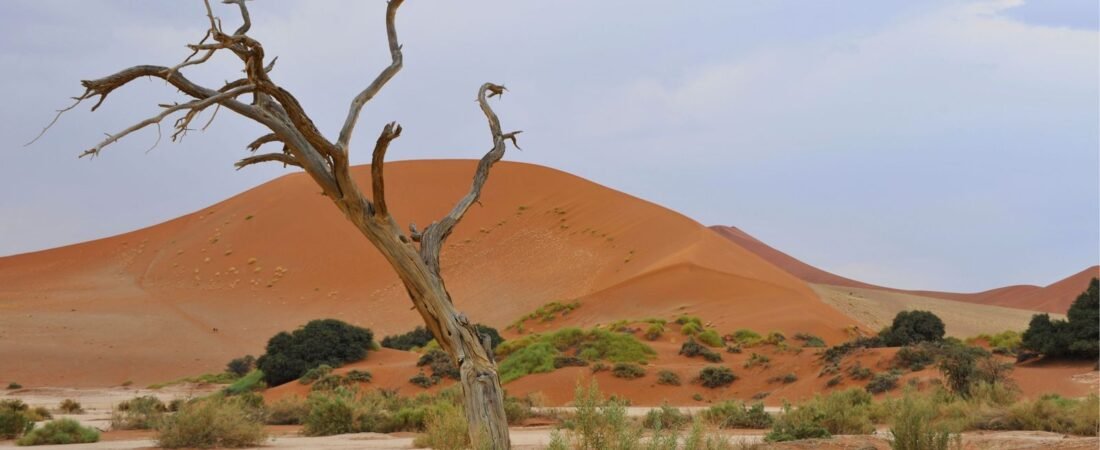
Featured photo: a dead tree and red dunes at Sossusvlei, Namibia, by Elina Emeleeva, via Pexels.