
Packing for a remote luxury trip is different from packing for a beach week or a city break. The final leg is often a small aircraft or a boat, and both come with strict limits on weight and bag shape. Get that right and everything else is easy.
The short answer
Pack in a soft-sided duffel bag, aim for 20 kilograms (44 pounds) or less including your hand luggage and camera gear, and confirm the exact limit with your operator, because it varies by aircraft and by country. Keep medication, documents and valuables in your hand luggage, and pack layers rather than bulk.
Why the limits exist
Light aircraft are small, and every kilogram counts. Their luggage compartments are physically limited, and weight limits also depend on things like runway length, temperature and the distance flown. Operators set firm allowances for that reason, and they tend to enforce them.
What the limits look like
The most common figure for light aircraft in southern Africa is 20 kg (44 lb) per person, including hand luggage and camera equipment. Wilderness Air, which flies guests into camps such as Hoanib, states exactly that, and asks for soft bags with maximum dimensions of 30 cm wide, 35 cm high and 70 cm long. Some guides quote slightly smaller dimensions for particular countries, such as 25 by 30 by 62 cm, so check the figure for your route.
In East Africa, many light aircraft limits are lower, often around 15 kg (33 lb), though some sources note higher allowances to beach destinations such as Zanzibar. Operators confirm the exact limit for each itinerary.
If you need more weight, ask in advance. Some operators allow extra weight for a set fee, and others let you buy an additional seat. Turning up with an oversized bag on the day is the one thing to avoid.
| Where | Typical allowance | Bag type |
|---|---|---|
| Wilderness Air (southern Africa) | 20 kg / 44 lb including hand luggage and camera gear | Soft bag, about 30 x 35 x 70 cm maximum |
| Some Namibian and Botswana guides | 20 kg / 44 lb | Soft bag, often quoted as 25 x 30 x 62 cm |
| East African light aircraft | Often 15 kg / 33 lb; check for beach routes | Soft duffel, no rigid frame |
These figures change, so treat them as a guide and confirm directly.
Choose the right bag
- A soft duffel, not a hard suitcase. Rigid cases and framed bags usually will not fit the aircraft’s luggage pod.
- No frame, and ideally no wheels. A bag you can squash a little will go in where a rigid one won’t.
- A small daypack for hand luggage. It counts toward your total weight on many flights.
What to put in your hand luggage
Small aircraft holds are cramped and checked bags can travel separately, so carry anything you can’t replace:
- Medication, with copies of prescriptions
- Passport, documents and insurance details
- Camera, phone and chargers
- A change of light clothing and essentials in case a bag arrives late
A simple packing list
Clothing
- Lightweight, quick-drying layers
- A warm layer for early mornings and evenings
- A packable waterproof jacket
- A sun hat and sunglasses
For boat landings and beaches
- Sandals or water shoes you can wade in
- A small dry bag for your phone and documents
- Swimwear, and a quick-dry towel if your lodge doesn’t provide one
For wind, fog or desert
- A windproof layer for places like Patagonia
- Light, breathable clothing for hot, dry places
- A scarf or buff for dust or chill
Everything else
- A refillable water bottle
- A small torch or headlamp
- A power adaptor for the country you are visiting
Pack for the place
Mnemba Island has no jetties, so you step off the boat and wade ashore: wear something you don’t mind getting wet, and keep valuables in a dry bag. At Torres del Paine, the weather can change quickly in any month, so layers matter more than any single item. On a fog-brushed island like Fogo, a waterproof layer is the thing you will be glad you packed.
Frequently asked questions
What is the luggage limit on a small plane to a remote lodge?
Commonly 20 kg (44 lb) per person in southern Africa and often around 15 kg (33 lb) in East Africa, including hand luggage and camera equipment. Your operator will confirm the exact figure for your route.
Can I bring a hard suitcase?
Usually not for the final light-aircraft leg. Soft duffels are the standard requirement, because the aircraft’s luggage compartments are small and rigid cases don’t fit.
What if my bag is too heavy?
Ask before you travel. Some operators allow extra weight for a fee, or you can buy another seat. Repacking at the airstrip is stressful, and it is easily avoided.
For the places and routes themselves, see our guide to the world’s most secluded luxury escapes. Baggage limits and dimensions change by operator, so confirm them before you pack.
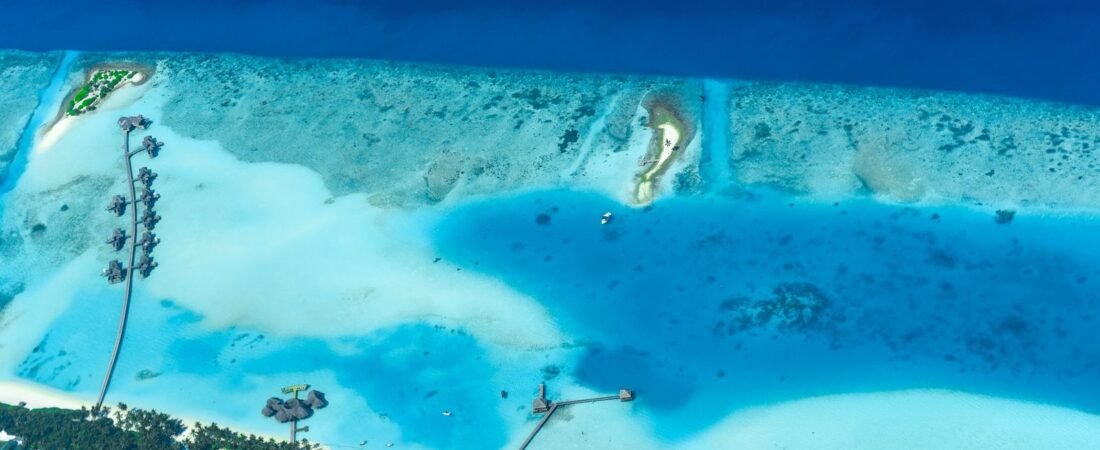
Featured photo: aerial view of a Maldives island resort by asadphoto, via Pexels.